


Keto-Friendly Fruits and Veggies for a Low-Carb Diet
 Jade Ellison
May 28, 2025 8:49 pm
.
8 min read
Jade Ellison
May 28, 2025 8:49 pm
.
8 min read
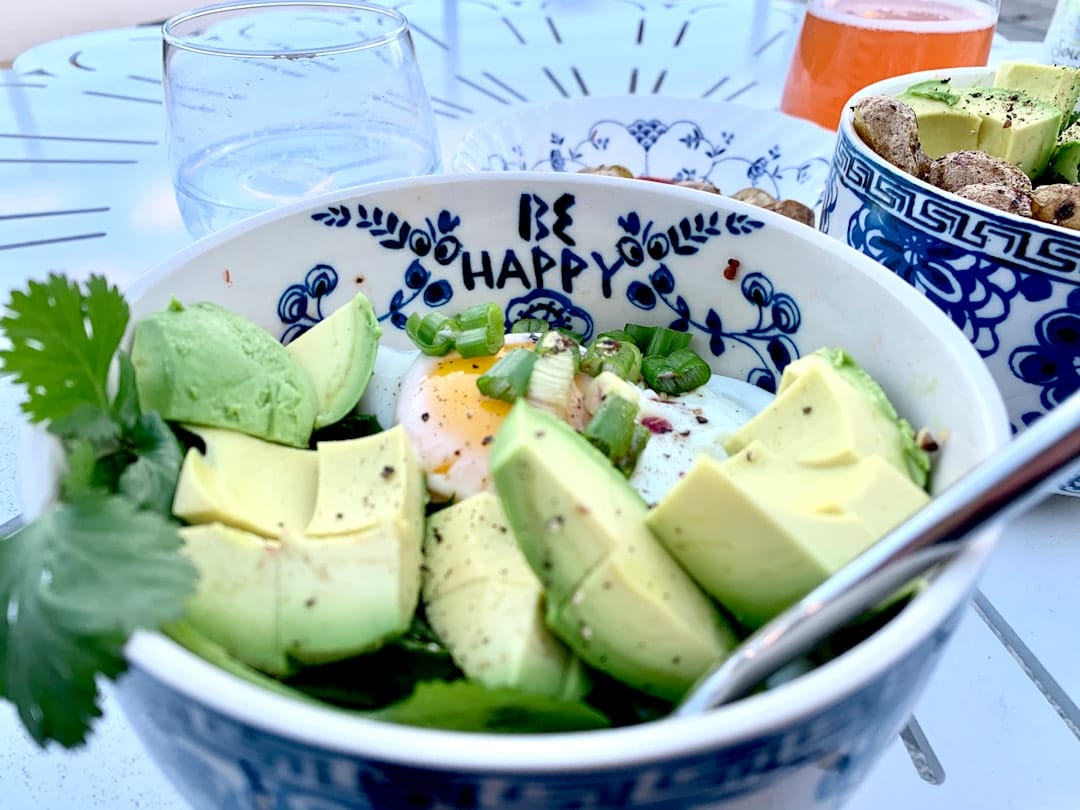
The ketogenic diet, commonly referred to as the keto diet, is a high-fat, low-carbohydrate eating plan that has gained immense popularity in recent years. The primary goal of this dietary approach is to shift the body’s metabolism from relying on carbohydrates for energy to utilizing fats instead. This metabolic state, known as ketosis, occurs when carbohydrate intake is significantly reduced, prompting the liver to convert fat into ketones, which serve as an alternative energy source.
By drastically lowering carbohydrate consumption—typically to about 5-10% of total daily calories—individuals can experience various health benefits, including weight loss, improved mental clarity, and enhanced energy levels. The mechanics of the keto diet hinge on the body’s ability to adapt to burning fat for fuel. When carbohydrates are consumed, they are broken down into glucose, which is then used for energy.
However, when carbohydrate intake is minimized, the body must find another source of energy. This is where fats come into play. By consuming a diet rich in healthy fats—such as avocados, nuts, seeds, and oils—while keeping protein intake moderate, individuals can encourage their bodies to enter ketosis.
This shift not only aids in weight loss but can also lead to improved insulin sensitivity and reduced inflammation, making it an appealing option for many seeking a healthier lifestyle.
The Importance of Including Fruits and Veggies in a Low-Carb Diet
While the keto diet emphasizes high-fat and low-carbohydrate foods, it is crucial not to overlook the importance of incorporating fruits and vegetables into this eating plan. These food groups are rich in essential vitamins, minerals, and antioxidants that contribute to overall health and well-being. Fruits and vegetables provide dietary fiber, which is vital for digestive health and can help mitigate some of the common side effects associated with low-carb diets, such as constipation.
Additionally, they offer a variety of phytonutrients that support immune function and reduce the risk of chronic diseases. Moreover, including fruits and vegetables in a low-carb diet can enhance meal variety and flavor. Many people find that a strict low-carb regimen can become monotonous over time; however, by thoughtfully selecting low-carb fruits and vegetables, individuals can create colorful and appetizing dishes that keep their meals exciting.
This not only makes adherence to the diet easier but also ensures that individuals receive a broader spectrum of nutrients necessary for optimal health. Therefore, it is essential to strike a balance between maintaining low carbohydrate intake while still enjoying the benefits that fruits and vegetables provide.
Top Keto-Friendly Fruits for Low-Carb Consumption
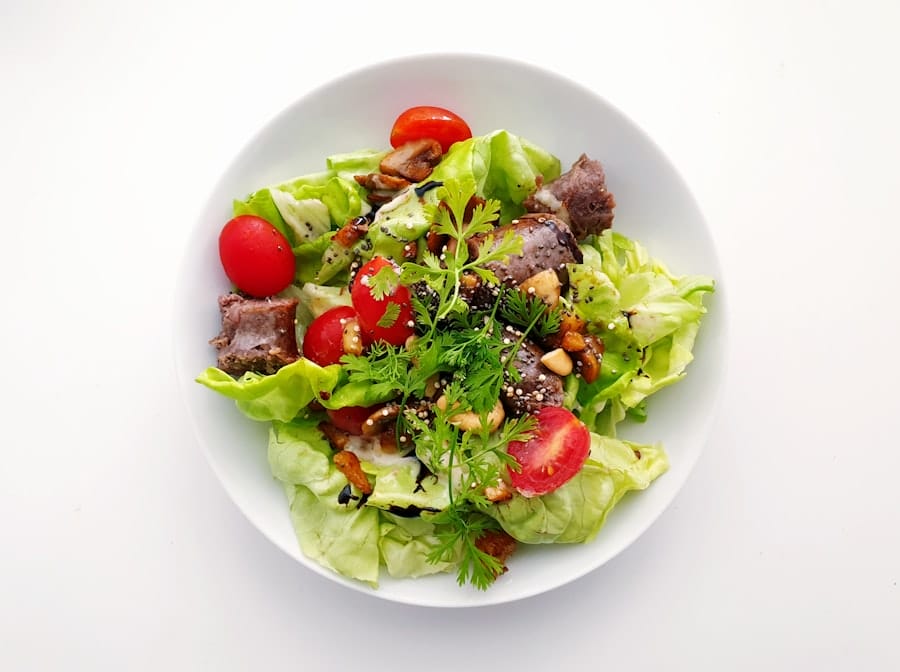
When it comes to selecting fruits suitable for a keto diet, it is essential to choose those that are lower in carbohydrates while still offering nutritional benefits. Berries are often hailed as the best option for keto dieters due to their relatively low sugar content compared to other fruits. For instance, raspberries, strawberries, and blackberries are not only delicious but also packed with antioxidants and fiber.
A small serving of these berries can satisfy a sweet craving without significantly impacting carbohydrate intake. Another excellent choice for those on a keto diet is avocados. Technically a fruit, avocados are high in healthy fats and low in carbohydrates, making them an ideal addition to any meal.
They are rich in monounsaturated fats, which can help improve heart health and provide a creamy texture to dishes. Additionally, olives are another low-carb fruit that can be enjoyed on a keto diet. They are high in healthy fats and can add a savory flavor to salads or snacks.
By incorporating these keto-friendly fruits into their meals, individuals can enjoy the sweetness of fruit without derailing their dietary goals.
Best Low-Carb Veggies for a Keto Diet
Vegetables play a vital role in any healthy diet, including the ketogenic approach. However, not all vegetables are created equal when it comes to carbohydrate content. Leafy greens such as spinach, kale, and arugula are excellent choices for those following a keto diet.
Also Read:
These vegetables are incredibly low in carbohydrates while being high in essential nutrients like vitamins A, C, and K. They can be used as a base for salads or added to smoothies for an extra nutrient boost. Cruciferous vegetables like broccoli, cauliflower, and Brussels sprouts are also fantastic options for keto dieters.
These veggies are not only low in carbs but also high in fiber and various vitamins and minerals. Cauliflower, in particular, has gained popularity as a versatile substitute for grains and starchy vegetables; it can be transformed into cauliflower rice or mashed cauliflower as a low-carb alternative to traditional sides. By focusing on these low-carb vegetables, individuals can create satisfying meals that align with their dietary goals while still enjoying a variety of flavors and textures.
How to Incorporate Fruits and Veggies into Keto-Friendly Meals
Incorporating fruits and vegetables into keto-friendly meals can be both simple and enjoyable. One effective way to do this is by using them as key ingredients in salads or side dishes. For instance, a vibrant salad featuring mixed greens topped with sliced avocado, cherry tomatoes, cucumbers, and a sprinkle of nuts can provide a refreshing meal option that is both nutritious and satisfying.
Adding a drizzle of olive oil or a homemade vinaigrette can enhance the flavors while keeping the dish aligned with keto principles. Another creative approach is to blend fruits and vegetables into smoothies or soups. A green smoothie made with spinach or kale combined with unsweetened almond milk and a handful of berries can serve as a quick breakfast or snack option that is both delicious and low in carbs.
Similarly, pureed vegetable soups made from cauliflower or zucchini can be comforting meals that provide essential nutrients without excessive carbohydrates. By experimenting with different combinations of fruits and vegetables, individuals can discover new flavors while adhering to their keto lifestyle.
Avoiding High-Carb Fruits and Veggies on a Keto Diet
Also Read:
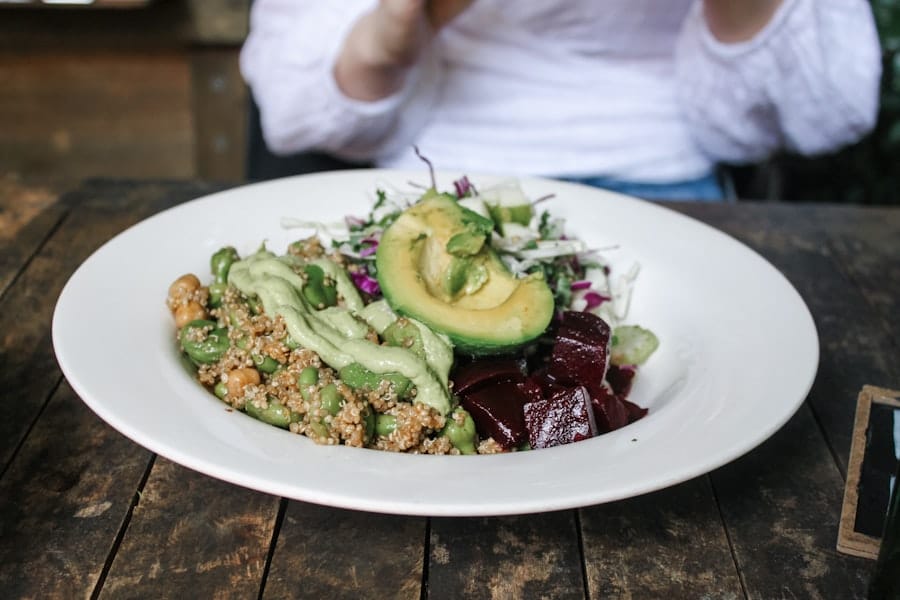
While many fruits and vegetables offer health benefits on a keto diet, it is equally important to be aware of those that are high in carbohydrates and should be limited or avoided altogether. Certain fruits like bananas, grapes, and mangoes are known for their higher sugar content and can quickly exceed daily carbohydrate limits if consumed in large quantities. These fruits may be delicious but can hinder the body’s ability to maintain ketosis.
Similarly, starchy vegetables such as potatoes, corn, and peas should be approached with caution on a keto diet due to their higher carbohydrate levels. Instead of these starchy options, individuals should focus on non-starchy vegetables that provide essential nutrients without compromising their dietary goals. By being mindful of carbohydrate content in both fruits and vegetables, individuals can make informed choices that support their journey toward better health while enjoying the benefits of a ketogenic lifestyle.
Tips for Choosing the Right Fruits and Veggies for a Low-Carb Diet
Selecting the right fruits and vegetables for a low-carb diet requires some knowledge about their carbohydrate content and nutritional value. One effective strategy is to prioritize whole foods over processed options whenever possible. Fresh fruits and vegetables tend to have fewer additives and preservatives compared to packaged products, making them healthier choices overall.
Additionally, reading nutrition labels can help individuals identify hidden sugars or carbohydrates that may not be immediately apparent. Another helpful tip is to focus on seasonal produce when shopping for fruits and vegetables. Seasonal items are often fresher and more flavorful while typically being more affordable than out-of-season options.
Furthermore, exploring local farmers’ markets can provide access to organic produce that may be lower in pesticides and higher in nutrients. By being intentional about fruit and vegetable selection, individuals can enhance their low-carb diet while enjoying the diverse flavors nature has to offer.
Delicious Keto-Friendly Recipes Using Fruits and Veggies
Creating delicious meals on a keto diet does not have to be challenging; there are countless recipes that incorporate fruits and vegetables while adhering to low-carb principles. One popular dish is zucchini noodles tossed with pesto sauce and topped with cherry tomatoes and grilled chicken. This dish offers the satisfaction of pasta without the added carbohydrates while providing essential nutrients from the zucchini and tomatoes.
Another delightful recipe features avocado stuffed with tuna salad made from canned tuna mixed with mayonnaise, diced celery, and spices. This dish combines healthy fats from the avocado with protein from the tuna for a filling meal or snack option. For dessert lovers, a berry parfait made with unsweetened Greek yogurt layered with fresh raspberries or strawberries can satisfy sweet cravings while remaining low in carbs.
In conclusion, the ketogenic diet offers numerous health benefits when followed correctly; however, it is essential not to overlook the importance of incorporating fruits and vegetables into this eating plan. By understanding which options are suitable for low-carb consumption and creatively integrating them into meals, individuals can enjoy a diverse range of flavors while maintaining their dietary goals. With careful selection and preparation of fruits and veggies, anyone on a keto journey can experience both satisfaction and nourishment along the way.
If you’re looking for more information on keto-friendly foods, you may want to check out this article on delicious low-carb Thanksgiving appetizers. It provides great ideas for staying on track with your keto diet during the holiday season.
I'm Jade, a keto enthusiast and food writer. I share tasty low-carb recipes and tips to help you enjoy the ketogenic lifestyle. When I'm not in the kitchen, I love hiking, doing yoga, and spending time with my family and pets.

