


Is Tofu Keto-Friendly?
 Jade Ellison
November 7, 2025 10:22 am
.
8 min read
Jade Ellison
November 7, 2025 10:22 am
.
8 min read

The ketogenic diet, commonly referred to as the keto diet, is a high-fat, low-carbohydrate eating plan that has gained significant popularity in recent years. The primary goal of this dietary approach is to shift the body’s metabolism from relying on carbohydrates for energy to utilizing fats instead. This metabolic state, known as ketosis, occurs when carbohydrate intake is drastically reduced, prompting the liver to convert fat into ketones, which serve as an alternative energy source for the brain and body.
Typically, a standard keto diet consists of approximately 70-75% fats, 20-25% protein, and only about 5-10% carbohydrates. The appeal of the keto diet lies not only in its potential for weight loss but also in its purported health benefits. Many individuals report increased energy levels, improved mental clarity, and reduced hunger pangs when following this regimen.
Additionally, some studies suggest that the keto diet may have therapeutic effects for certain medical conditions, such as epilepsy and type 2 diabetes. However, transitioning to a keto lifestyle can be challenging, as it requires a significant change in eating habits and a thorough understanding of food choices that align with the diet’s strict macronutrient ratios.
Nutritional Content of Tofu
Tofu, a versatile food made from soybeans, is a staple in many vegetarian and vegan diets. It is produced by coagulating soy milk and pressing the resulting curds into solid blocks. Tofu is not only rich in protein but also offers a variety of essential nutrients, making it an attractive option for those seeking plant-based sources of nutrition.
Depending on the type of tofu—silken, soft, firm, or extra-firm—the nutritional content can vary slightly, but it generally remains a low-calorie food that is high in protein and low in carbohydrates. In addition to being a good source of protein, tofu contains several important vitamins and minerals. It is particularly rich in calcium, iron, and magnesium, which are vital for maintaining bone health and overall bodily functions.
Furthermore, tofu is low in saturated fat and cholesterol-free, making it a heart-healthy choice for individuals looking to improve their dietary habits. The presence of phytoestrogens in tofu also contributes to its health benefits, as these compounds may help regulate hormonal balance and reduce the risk of certain diseases.
Carbohydrate Content of Tofu
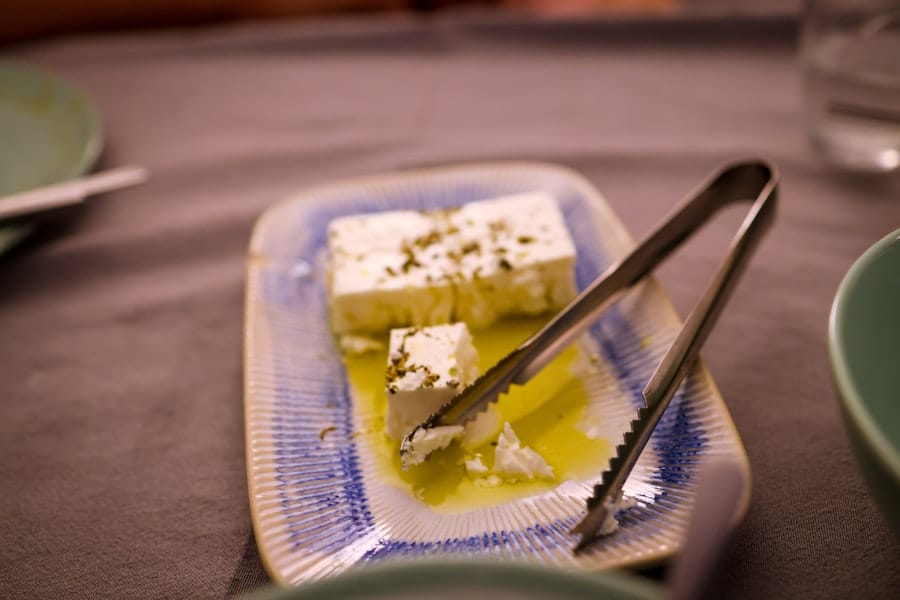
When considering the keto diet’s strict carbohydrate limits, understanding the carbohydrate content of tofu is crucial. Generally speaking, tofu is low in carbohydrates compared to many other protein sources. A typical serving of firm tofu (about 100 grams) contains approximately 1.9 grams of carbohydrates.
This low carbohydrate count makes tofu an appealing option for those adhering to a ketogenic lifestyle, as it allows individuals to enjoy a protein-rich food without exceeding their daily carb allowance. Moreover, the carbohydrates found in tofu are primarily derived from fiber and other non-digestible components. This means that tofu not only contributes minimal net carbs to one’s diet but also provides beneficial fiber that can aid in digestion and promote feelings of fullness.
For those on a keto diet who are looking to maintain their carbohydrate intake while still enjoying diverse meals, incorporating tofu can be an effective strategy.
Protein Content of Tofu
Tofu is renowned for its impressive protein content, making it an excellent choice for individuals seeking to increase their protein intake without relying on animal products. A standard serving of firm tofu contains around 8 grams of protein per 100 grams. This high protein content is particularly beneficial for those on a keto diet, where maintaining adequate protein levels is essential for muscle preservation and overall health.
In addition to being a complete protein source—meaning it contains all nine essential amino acids—tofu is also easily digestible. This quality makes it an ideal option for individuals who may have difficulty consuming other protein sources due to dietary restrictions or preferences. Furthermore, the versatility of tofu allows it to be incorporated into a wide range of dishes, from stir-fries to smoothies, making it easy for individuals on a keto diet to meet their protein needs while enjoying flavorful meals.
Fat Content of Tofu
While tofu is primarily recognized for its protein content, it also contains a moderate amount of fat. A typical serving of firm tofu has about 4-5 grams of fat per 100 grams. The majority of this fat is unsaturated, which is considered heart-healthy and beneficial for overall well-being.
Unsaturated fats can help lower bad cholesterol levels and reduce the risk of heart disease when consumed in moderation. For those following a keto diet, the fat content in tofu can complement their overall macronutrient goals. While tofu may not be as high in fat as other keto-friendly foods like avocados or nuts, it can still contribute to the daily fat intake when combined with other sources.
Additionally, incorporating tofu into meals can provide a balance of macronutrients that supports sustained energy levels and satiety throughout the day.
How Tofu Fits into a Keto Diet
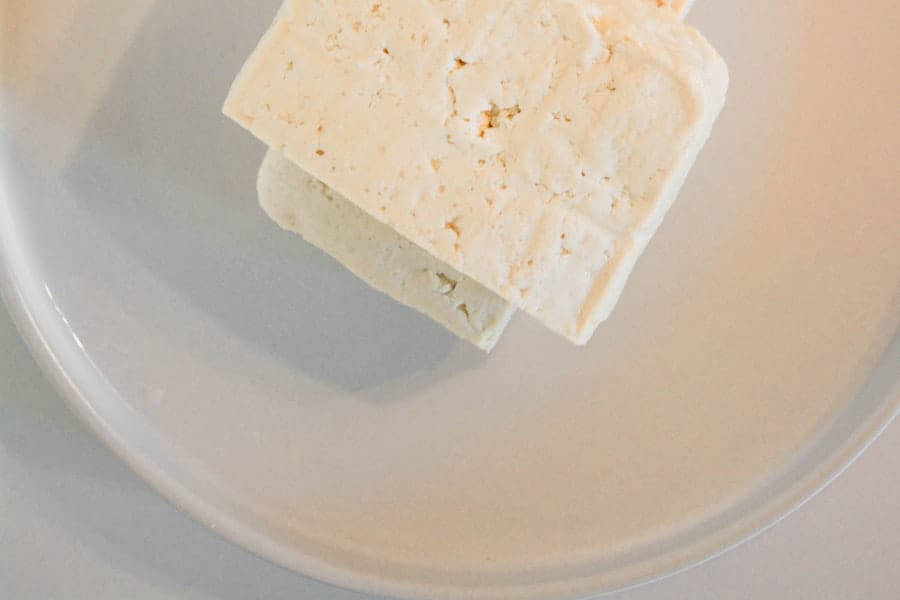
Tofu can seamlessly fit into a keto diet due to its low carbohydrate content and high protein levels. As individuals on this dietary plan strive to maintain their macronutrient ratios, tofu serves as an excellent alternative to traditional protein sources like meat or dairy products. Its versatility allows it to be used in various recipes—from savory stir-fries to creamy soups—making it easy for those on a keto diet to enjoy diverse meals without compromising their dietary goals.
Moreover, tofu can be prepared in numerous ways to enhance its flavor and texture. Whether grilled, sautéed, or blended into smoothies, tofu can absorb flavors from marinades and spices, making it an adaptable ingredient in many cuisines. This adaptability not only helps prevent meal fatigue but also encourages creativity in the kitchen, allowing individuals on a keto diet to explore new culinary experiences while adhering to their nutritional requirements.
Benefits of Including Tofu in a Keto Diet
Also Read:
Incorporating tofu into a keto diet offers several benefits that extend beyond its nutritional profile. One significant advantage is its ability to provide essential nutrients while keeping carbohydrate intake low. As individuals on a keto diet often struggle to find suitable plant-based protein sources that align with their macronutrient goals, tofu emerges as an ideal solution that meets both protein needs and dietary restrictions.
Additionally, tofu’s high protein content can aid in muscle maintenance and repair during weight loss or calorie restriction phases often associated with the keto diet. The presence of healthy fats in tofu also contributes to satiety, helping individuals feel fuller for longer periods and reducing the likelihood of unhealthy snacking between meals. Furthermore, the inclusion of tofu can introduce variety into meal planning, making it easier for individuals to stick with their dietary regimen over time.
Potential Drawbacks of Including Tofu in a Keto Diet
Despite its many benefits, there are potential drawbacks to including tofu in a keto diet that individuals should consider. One concern is that some people may have soy allergies or sensitivities that could lead to adverse reactions when consuming tofu. For these individuals, alternative protein sources must be sought out to ensure they meet their dietary needs without compromising their health.
Another consideration is that while tofu is generally low in carbohydrates, some processed varieties may contain added sugars or fillers that could increase their carb content significantly. Therefore, it is essential for those on a keto diet to read labels carefully and choose minimally processed options whenever possible. Additionally, some studies suggest that excessive consumption of soy products may have hormonal effects due to phytoestrogens present in soybeans; thus moderation is key when incorporating tofu into one’s diet.
In conclusion, while the keto diet presents unique challenges and opportunities for individuals seeking weight loss or improved health outcomes, incorporating foods like tofu can enhance nutritional diversity while adhering to macronutrient goals. By understanding the nutritional content and potential benefits and drawbacks of tofu within this dietary framework, individuals can make informed choices that support their overall well-being while enjoying delicious meals along the way.
If you’re exploring the compatibility of tofu with a keto diet, you might find it helpful to read about the broader context of ketosis and how the body processes energy. A related article that delves into these concepts is “Ketosis vs. Gluconeogenesis: Understanding the Body’s Energy Processes”. This article provides insights into how different foods can affect your state of ketosis, which can be beneficial when considering whether tofu fits into your meal plan.
Also Read:
FAQs
What is tofu?
Tofu is a food made from condensed soy milk that is pressed into solid white blocks. It is a popular ingredient in vegetarian and vegan diets and is a good source of protein.
Is tofu keto-friendly?
Tofu can be included in a keto diet as it is low in carbohydrates and high in protein. It can be a good option for those following a ketogenic diet.
How many carbs are in tofu?
Tofu is low in carbohydrates, with about 2 grams of carbs per 3.5 ounce (100 gram) serving. This makes it a suitable option for those following a low-carb or ketogenic diet.
What are the benefits of including tofu in a keto diet?
Tofu is a good source of protein and contains all nine essential amino acids. It is also low in carbohydrates, making it a suitable option for those following a ketogenic diet.
Also Read:
How can tofu be incorporated into a keto diet?
Tofu can be used in a variety of keto-friendly recipes, such as stir-fries, salads, and soups. It can also be grilled, baked, or sautéed as a meat substitute in keto meals.
I'm Jade, a keto enthusiast and food writer. I share tasty low-carb recipes and tips to help you enjoy the ketogenic lifestyle. When I'm not in the kitchen, I love hiking, doing yoga, and spending time with my family and pets.
