


Easy Keto Meal Plans for Quick Weight Loss
 Jade Ellison
March 21, 2025 4:05 pm
.
8 min read
Jade Ellison
March 21, 2025 4:05 pm
.
8 min read

The ketogenic diet, commonly referred to as the keto diet, is a high-fat, low-carbohydrate eating plan that has gained significant popularity in recent years. The primary goal of this dietary approach is to shift the body’s metabolism from relying on carbohydrates for energy to utilizing fats instead. This metabolic state, known as ketosis, occurs when carbohydrate intake is drastically reduced, prompting the liver to convert fat into ketones, which serve as an alternative energy source.
By minimizing carbohydrate consumption to around 20-50 grams per day, individuals can encourage their bodies to enter and maintain ketosis, leading to various physiological changes. In addition to its metabolic effects, the keto diet has garnered attention for its potential health benefits. Many proponents of the diet claim that it can lead to significant weight loss, improved mental clarity, and enhanced energy levels.
The reduction in carbohydrate intake often results in decreased insulin levels, which can help regulate blood sugar and may be beneficial for individuals with insulin resistance or type 2 diabetes. Furthermore, the satiating nature of high-fat foods can help curb hunger and reduce overall calorie intake, making it easier for individuals to adhere to their dietary goals.
Benefits of Keto Meal Plans for Weight Loss
One of the most compelling reasons individuals gravitate toward the keto diet is its effectiveness for weight loss. When the body enters ketosis, it becomes adept at burning stored fat for fuel, which can lead to rapid weight loss in the initial stages of the diet. This fat-burning process not only helps shed excess pounds but also promotes a leaner body composition over time.
Many individuals report losing weight more efficiently on a keto meal plan compared to traditional calorie-restricted diets, as the body becomes a more efficient fat-burning machine. Moreover, the keto diet can help regulate appetite and reduce cravings. High-fat foods tend to be more filling than their carbohydrate-rich counterparts, which can lead to a natural reduction in calorie intake without the need for strict portion control.
This satiety factor is particularly beneficial for those who struggle with constant hunger while trying to lose weight. Additionally, the stabilization of blood sugar levels associated with a low-carb diet can help prevent energy crashes and cravings that often accompany high-carb diets, making it easier for individuals to stick to their meal plans and achieve their weight loss goals.
Planning Your Keto Meals

Effective meal planning is crucial for anyone embarking on a keto diet. A well-structured meal plan not only ensures that individuals meet their macronutrient goals but also helps them avoid the pitfalls of impulsive eating or reaching for non-keto-friendly snacks. To begin planning keto meals, individuals should familiarize themselves with the types of foods that fit within the parameters of the diet.
This includes an abundance of healthy fats such as avocados, nuts, seeds, and oils, along with moderate protein sources like meat, fish, and eggs. Non-starchy vegetables should also be included to provide essential vitamins and minerals while keeping carbohydrate intake low. When creating a meal plan, it is beneficial to outline meals for the week ahead.
This can involve selecting recipes that align with keto guidelines and preparing a shopping list based on those choices. By having a clear plan in place, individuals can streamline their grocery shopping and meal preparation processes. Additionally, batch cooking certain components—such as roasted vegetables or grilled meats—can save time during busy weekdays and ensure that healthy options are readily available when hunger strikes.
Quick and Easy Keto Meal Ideas
| Meal Idea | Ingredients | Calories | Net Carbs |
|---|---|---|---|
| Avocado and Bacon Omelette | Avocado, Bacon, Eggs, Cheese | 350 | 4g |
| Grilled Chicken Salad | Grilled Chicken, Lettuce, Cucumber, Tomatoes, Olive Oil | 300 | 6g |
| Zucchini Noodles with Pesto | Zucchini, Pesto Sauce, Parmesan Cheese | 250 | 5g |
| Salmon and Asparagus | Salmon, Asparagus, Lemon, Butter | 400 | 3g |
For those new to the keto diet or those with busy lifestyles, quick and easy meal ideas can make all the difference in maintaining adherence to the plan. Breakfast options might include scrambled eggs cooked in butter with spinach and cheese or a smoothie made with unsweetened almond milk, avocado, and a scoop of protein powder. These meals are not only simple to prepare but also packed with healthy fats and protein to kickstart the day.
Lunch and dinner can be equally straightforward. A salad topped with grilled chicken, olive oil dressing, and a sprinkle of nuts provides a satisfying meal that is both nutritious and low in carbs. Alternatively, zucchini noodles tossed with pesto and shrimp offer a delicious pasta substitute that aligns with keto principles.
Also Read:
For those who enjoy snacking, options like cheese slices, hard-boiled eggs, or celery sticks with almond butter can keep hunger at bay without derailing dietary goals.
Incorporating Variety into Your Keto Meal Plans
While consistency is key in any dietary approach, incorporating variety into keto meal plans can help prevent boredom and promote long-term adherence. Exploring different cuisines can introduce new flavors and textures while still adhering to keto guidelines. For instance, Mediterranean dishes featuring olives, feta cheese, and grilled meats can provide a refreshing change from traditional American fare.
Similarly, Asian-inspired meals using cauliflower rice instead of regular rice can offer a unique twist while keeping carbohydrate counts low. Experimenting with different cooking methods can also add excitement to meal preparation. Roasting vegetables brings out their natural sweetness and enhances flavor, while grilling meats can impart a smoky taste that elevates simple dishes.
Additionally, trying out new herbs and spices can transform familiar recipes into something extraordinary. By embracing variety in both ingredients and cooking techniques, individuals can keep their keto meal plans interesting and enjoyable.
Tips for Successful Keto Meal Planning
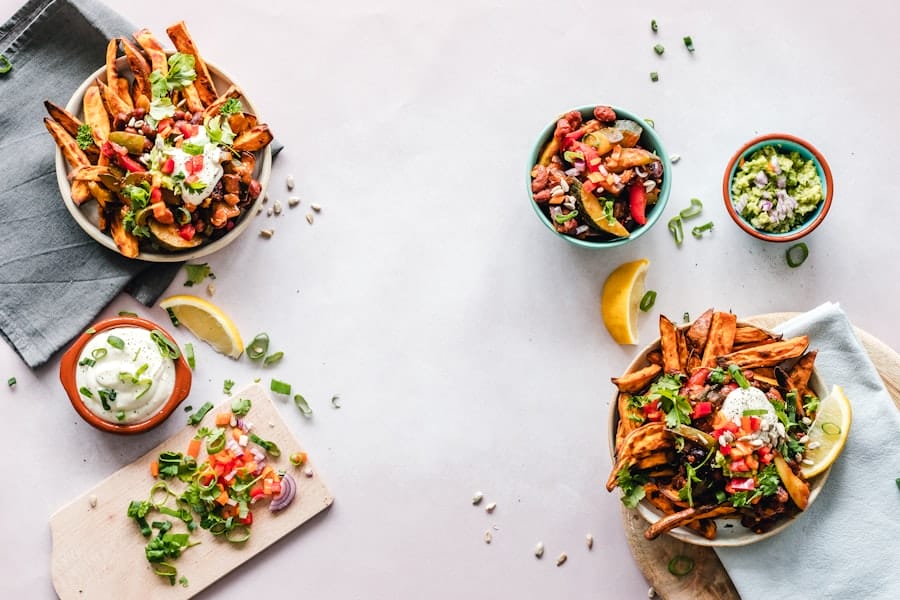
To maximize success on the keto diet, individuals should consider several practical tips for effective meal planning. First and foremost, keeping track of macronutrient intake is essential for staying within the desired ranges of fats, proteins, and carbohydrates. Utilizing apps or food journals can help individuals monitor their progress and make necessary adjustments as they become more familiar with their dietary needs.
Also Read:
Another important tip is to prepare for social situations or dining out by researching menus in advance or bringing keto-friendly snacks along. This proactive approach can help individuals navigate potential challenges while maintaining their commitment to the diet. Additionally, having a well-stocked pantry filled with keto staples—such as coconut flour, almond flour, and various oils—can make it easier to whip up quick meals without feeling deprived or tempted by non-keto options.
Preparing and Cooking Keto Meals
The preparation and cooking of keto meals can be both enjoyable and rewarding when approached with creativity and enthusiasm. One effective strategy is to dedicate specific days for meal prep each week. This could involve cooking larger portions of proteins or preparing multiple servings of vegetables that can be easily reheated throughout the week.
By investing time upfront in meal preparation, individuals can simplify their daily routines and reduce stress during busy weekdays. In addition to batch cooking, utilizing kitchen gadgets such as slow cookers or air fryers can enhance the cooking experience. Slow cookers allow for hands-off meal preparation by enabling individuals to set ingredients in the morning and return home to a deliciously cooked dinner.
Air fryers provide a healthier alternative to traditional frying methods while still delivering crispy textures that many people crave. By embracing these tools and techniques, individuals can create satisfying keto meals without spending excessive time in the kitchen.
Staying on Track with Your Keto Meal Plans
Maintaining consistency on the keto diet requires dedication and mindfulness. One effective way to stay on track is by setting realistic goals and celebrating small victories along the way. Whether it’s losing a certain amount of weight or successfully completing a week of meal planning without deviation from the diet, acknowledging progress can boost motivation and reinforce commitment.
Additionally, finding support through online communities or local groups can provide encouragement and accountability. Sharing experiences with others who are also following the keto diet can foster camaraderie and offer valuable tips for overcoming challenges. Ultimately, staying on track involves cultivating a positive mindset and recognizing that setbacks may occur; however, resilience and determination will pave the way for long-term success on this transformative dietary journey.
If you are looking to enhance your keto meal plan with some added benefits, consider incorporating keto matcha powder. This powerful ingredient has numerous health benefits, as outlined in this article. Additionally, if you are unsure about the appropriate carb intake for your keto diet, you may find this article helpful in determining if 30 grams of carbs is too much. And if you are wondering whether oatmeal can be included in a keto diet, this article provides valuable insights on the topic.
I'm Jade, a keto enthusiast and food writer. I share tasty low-carb recipes and tips to help you enjoy the ketogenic lifestyle. When I'm not in the kitchen, I love hiking, doing yoga, and spending time with my family and pets.

